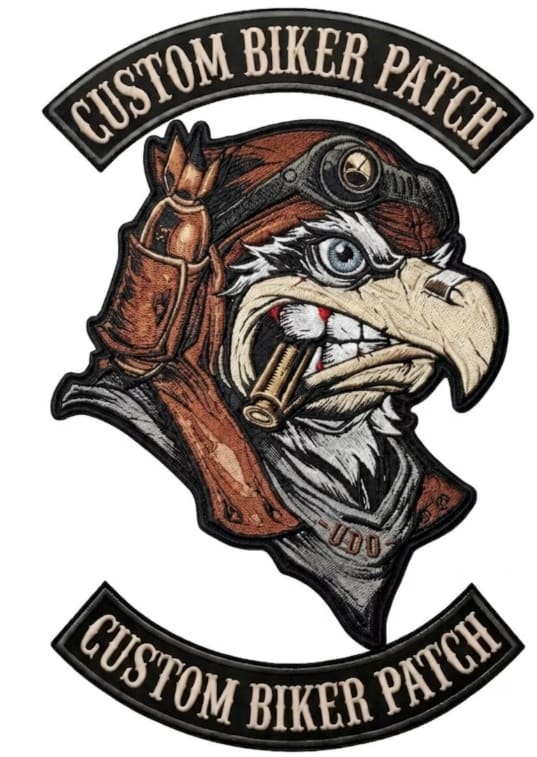
EMBROIDERY DIGITIZING & VECTOR ART

Precision That Stitches Into Every Design

Professional embroidery digitizing and vector art services for apparel brands, embroidery shops, promotional businesses, and custom apparel professionals. Get production-ready artwork with clean details, accurate stitching, and fast turnaround.

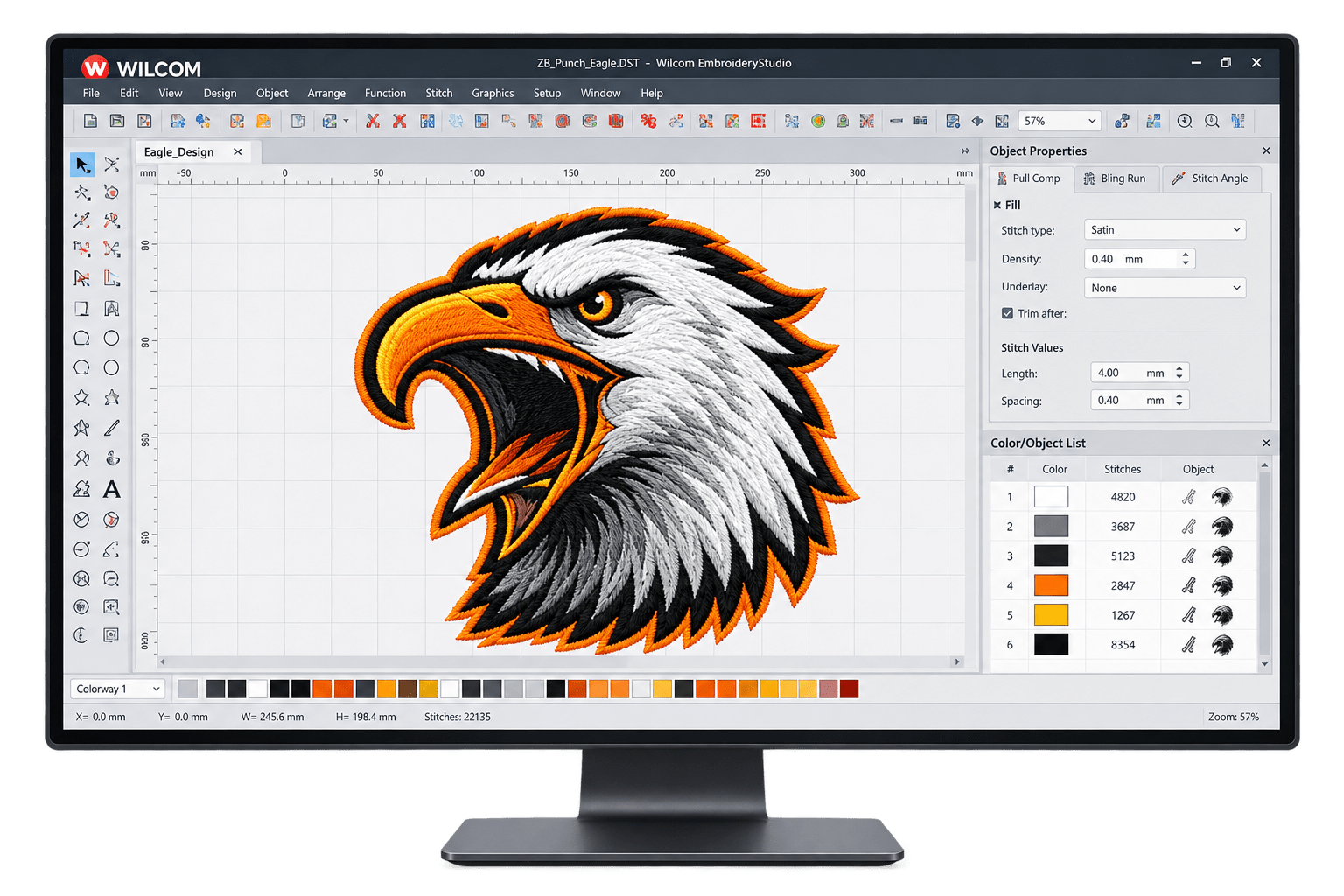
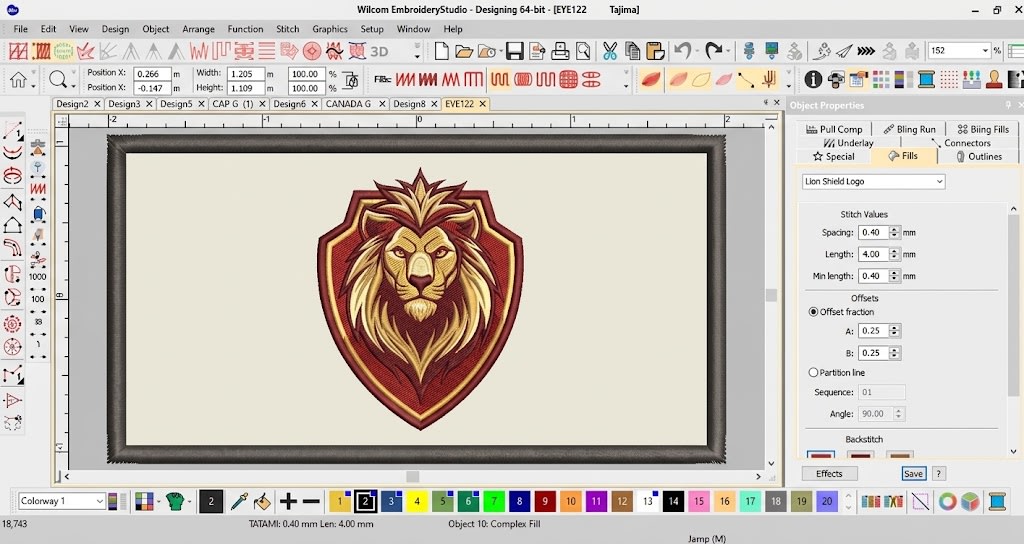
An eagle head design being digitized in Wilcom EmbroideryStudio

Eagle Embroidery DesignStitches 22,135Colours 6Polo / Cotton

2016Established
4–8hStandard turnaround
100%Human digitizing
12Machine formats
9–6Mon to Sat, Pacific

Why it matters

Precision That Shows in Every Stitch

Clean, accurate digitizing built for reliable embroidery results.

  • Perfect stitch accuracy

    Clean, sharp stitching with zero distortion.

  • Machine optimised

    Runs smoothly with fewer thread breaks.

  • Premium quality finish

    Rich, detailed and professional look.

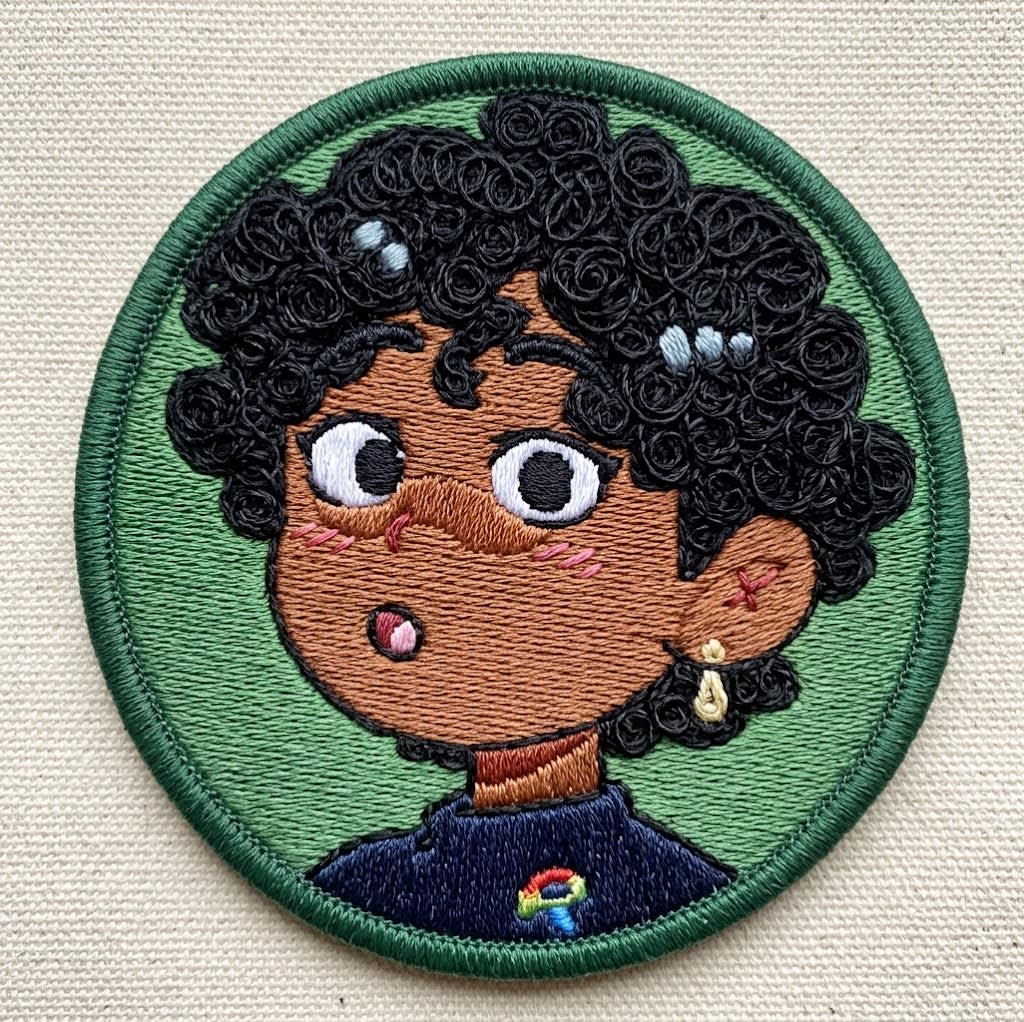
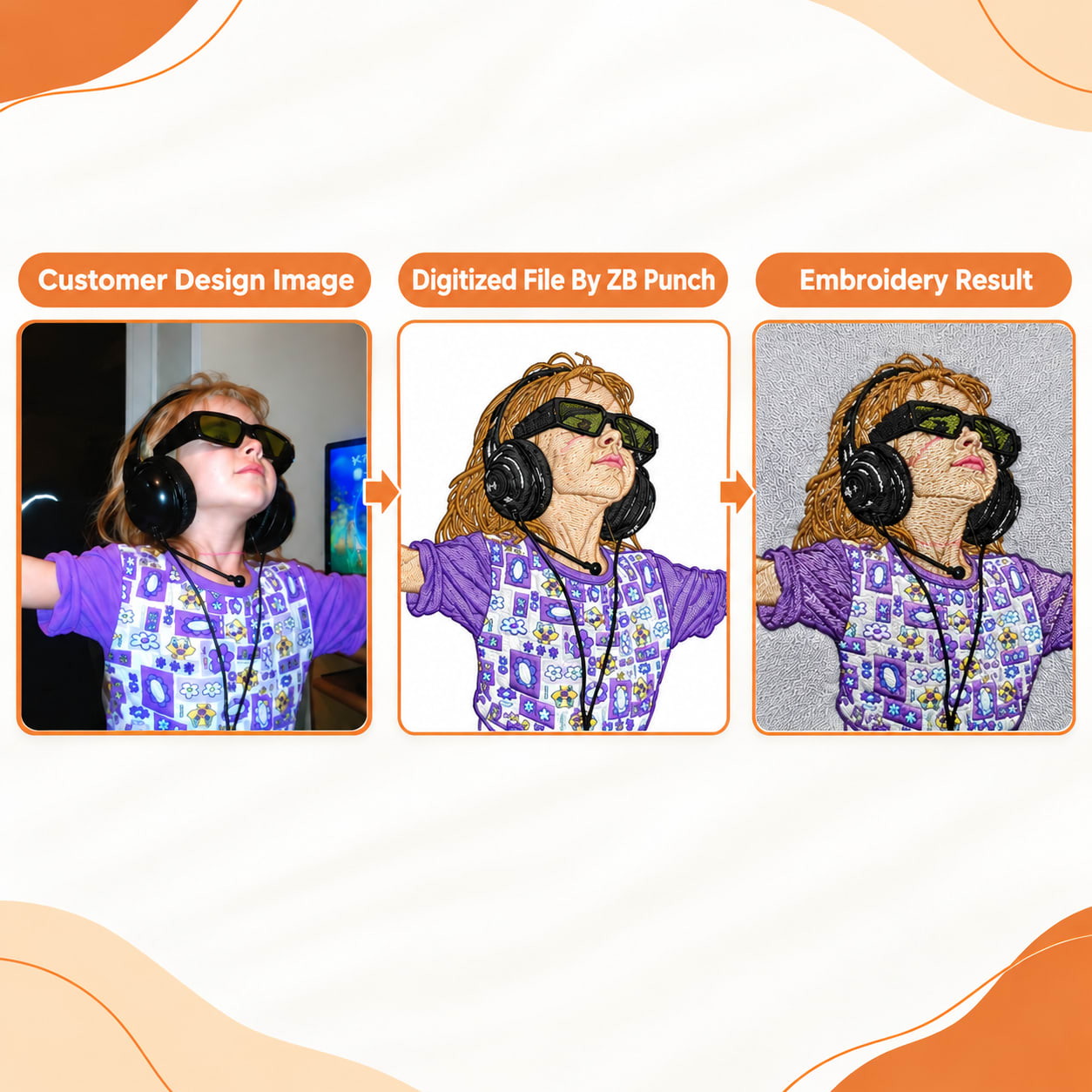
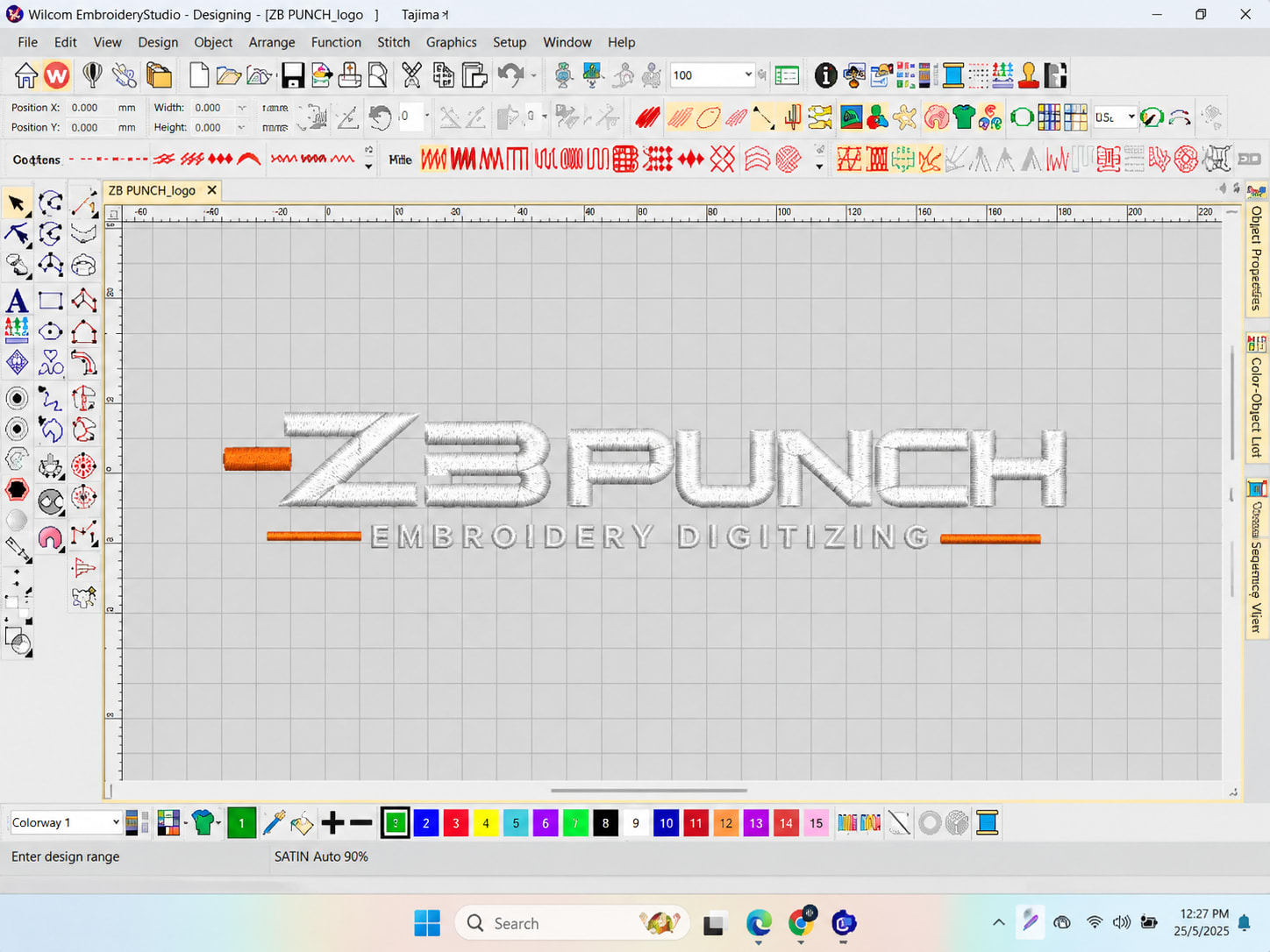
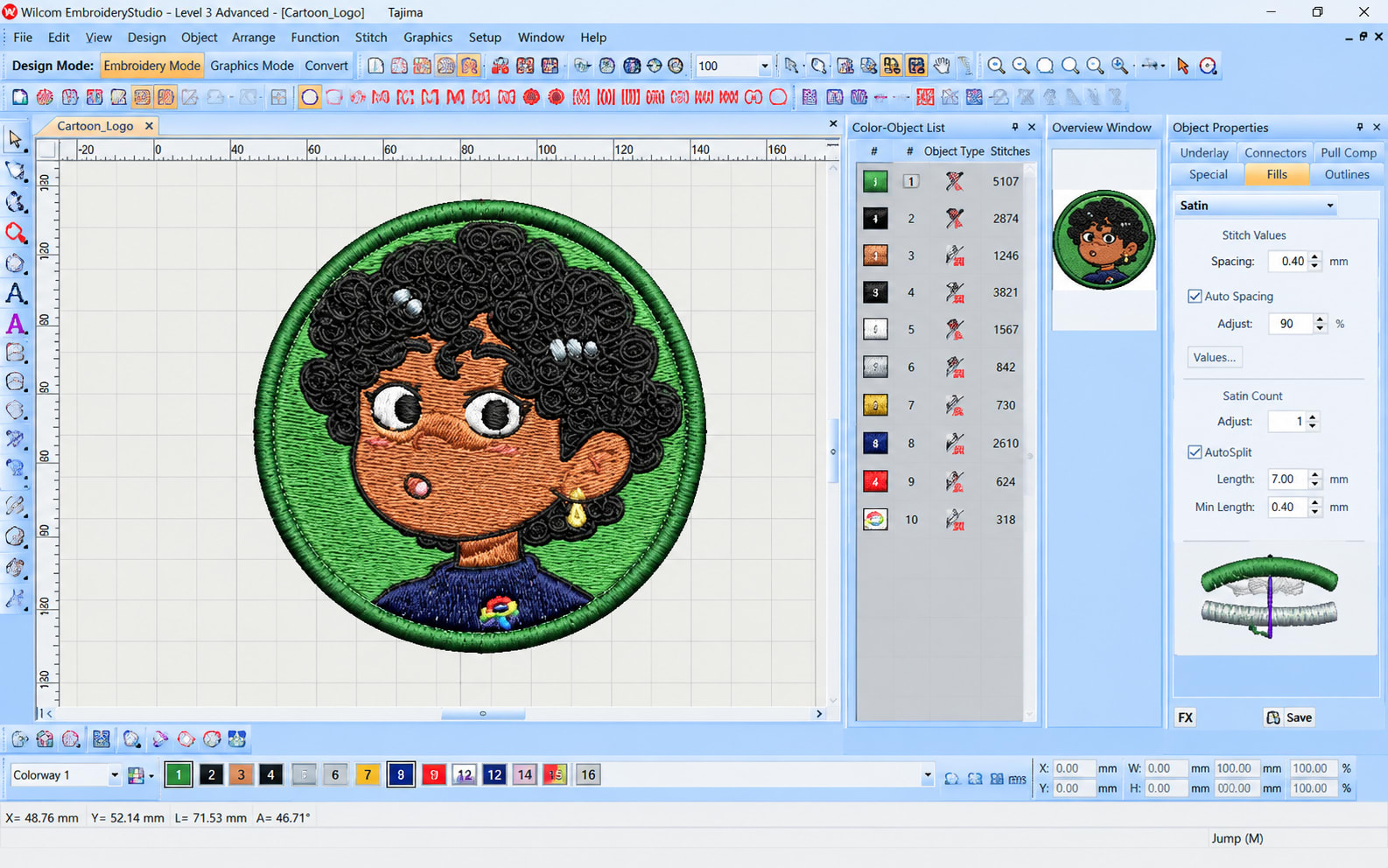
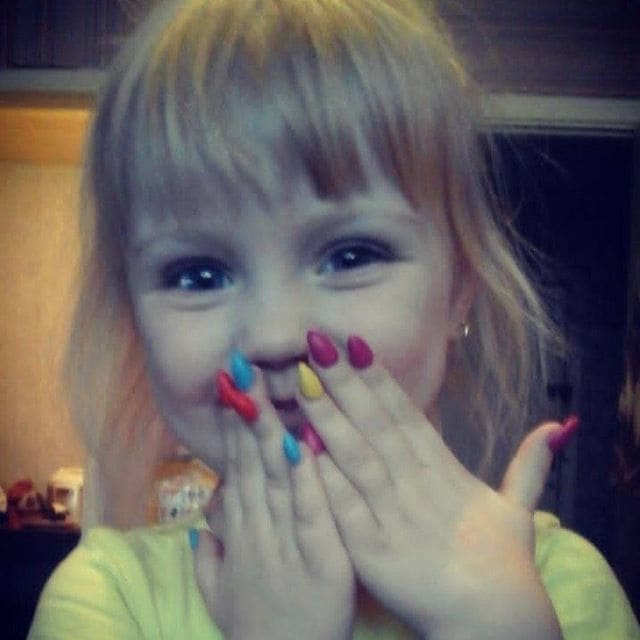
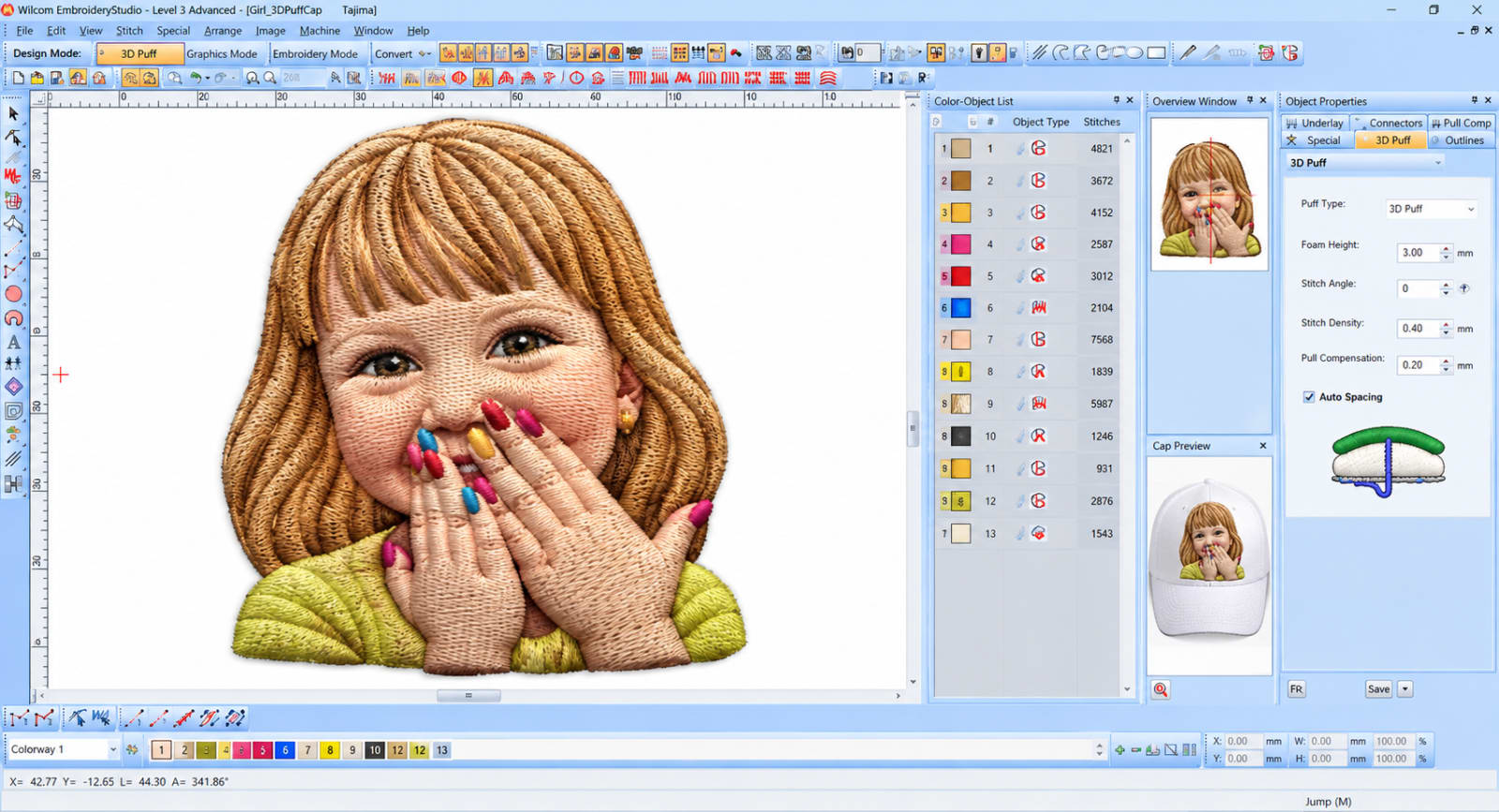
A customer photo, the digitized file by ZB Punch, and the embroidered result, side by side
Artwork → Digitizing → Embroidery
  • Faster production flow

    Optimised stitch paths help reduce overall production time.

  • Fabric-friendly digitizing

    Prevents puckering and ensures smooth results on all fabrics.

  • Scalable and versatile

    Maintains high quality across different sizes and products.

Before and after

From artwork to machine-ready stitches.

On the left is the file a client sent us. On the right is the same design rebuilt as stitches, with density, underlay and pull compensation set for the fabric named underneath. They take turns — step through them, or let them run.

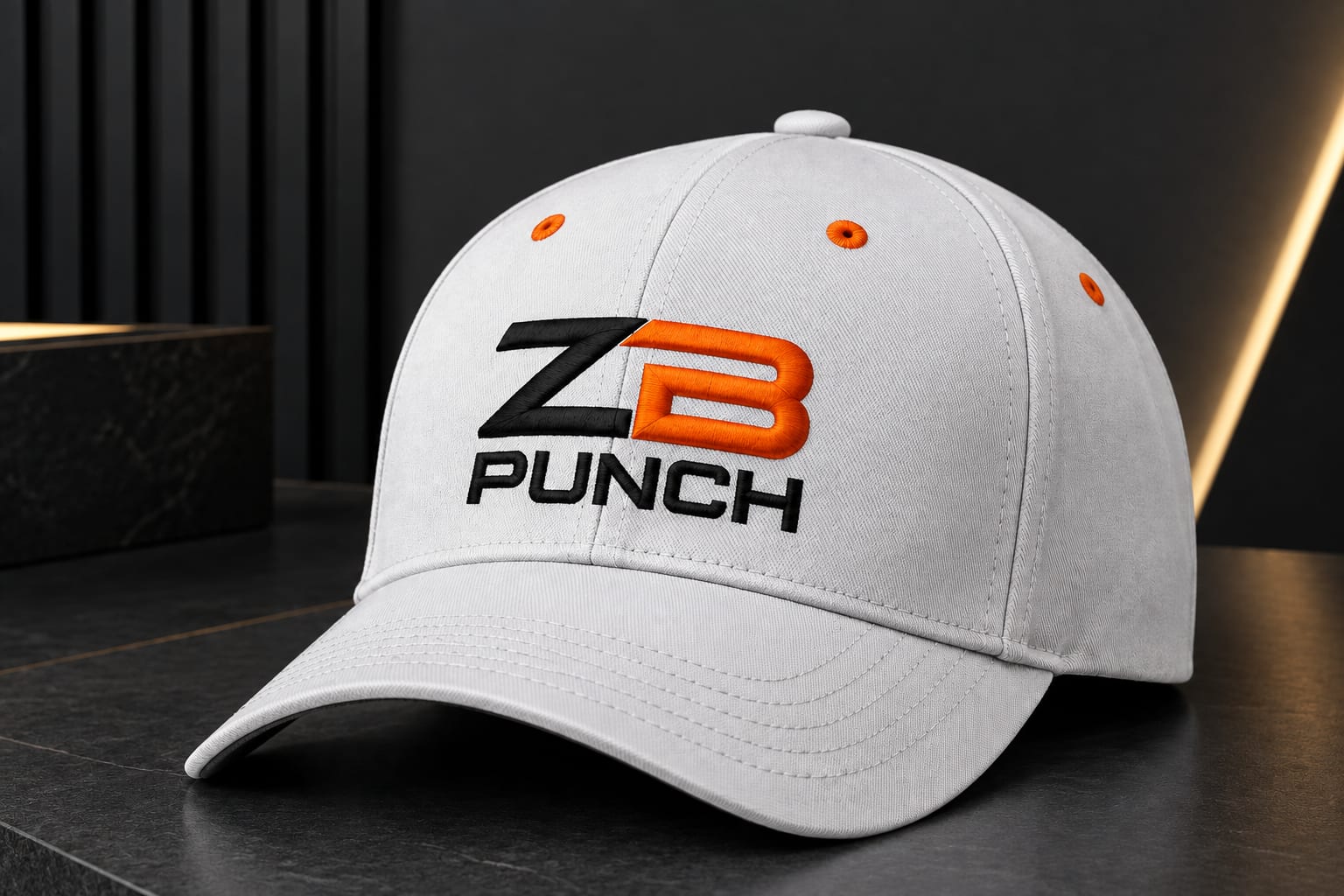
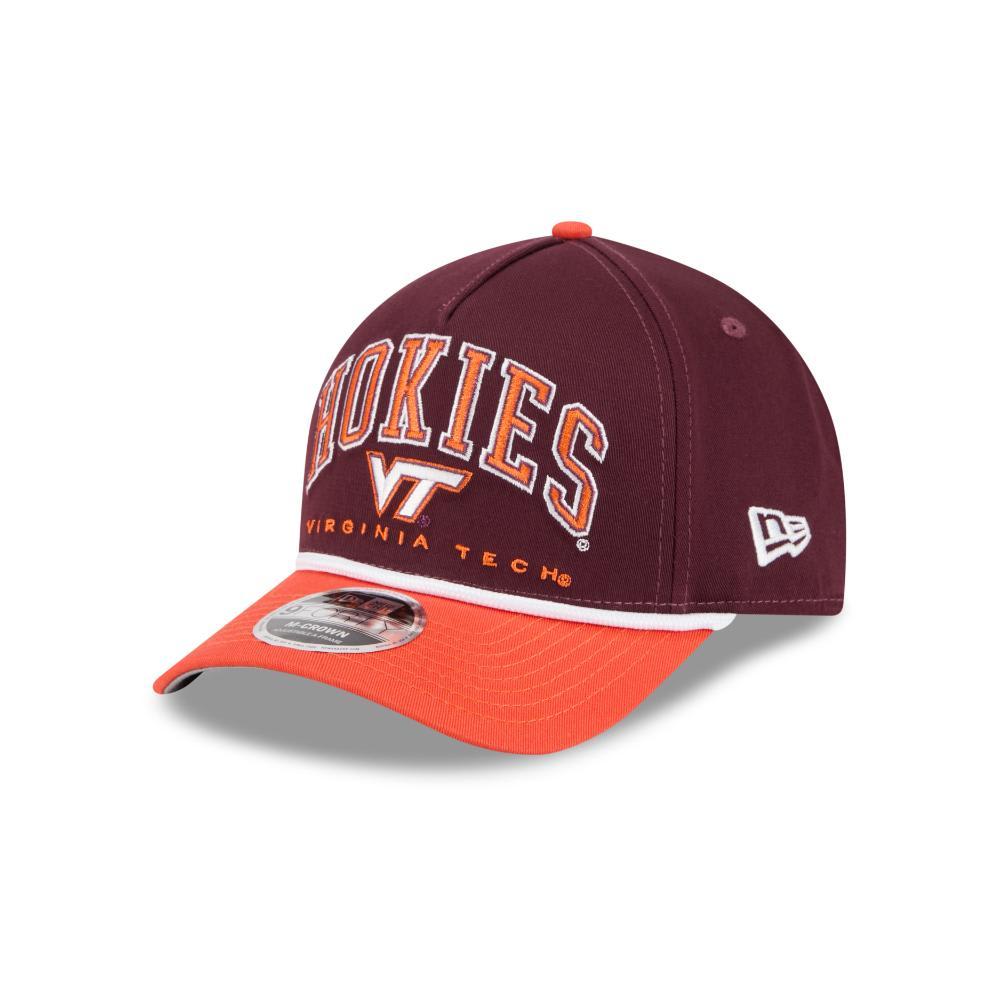
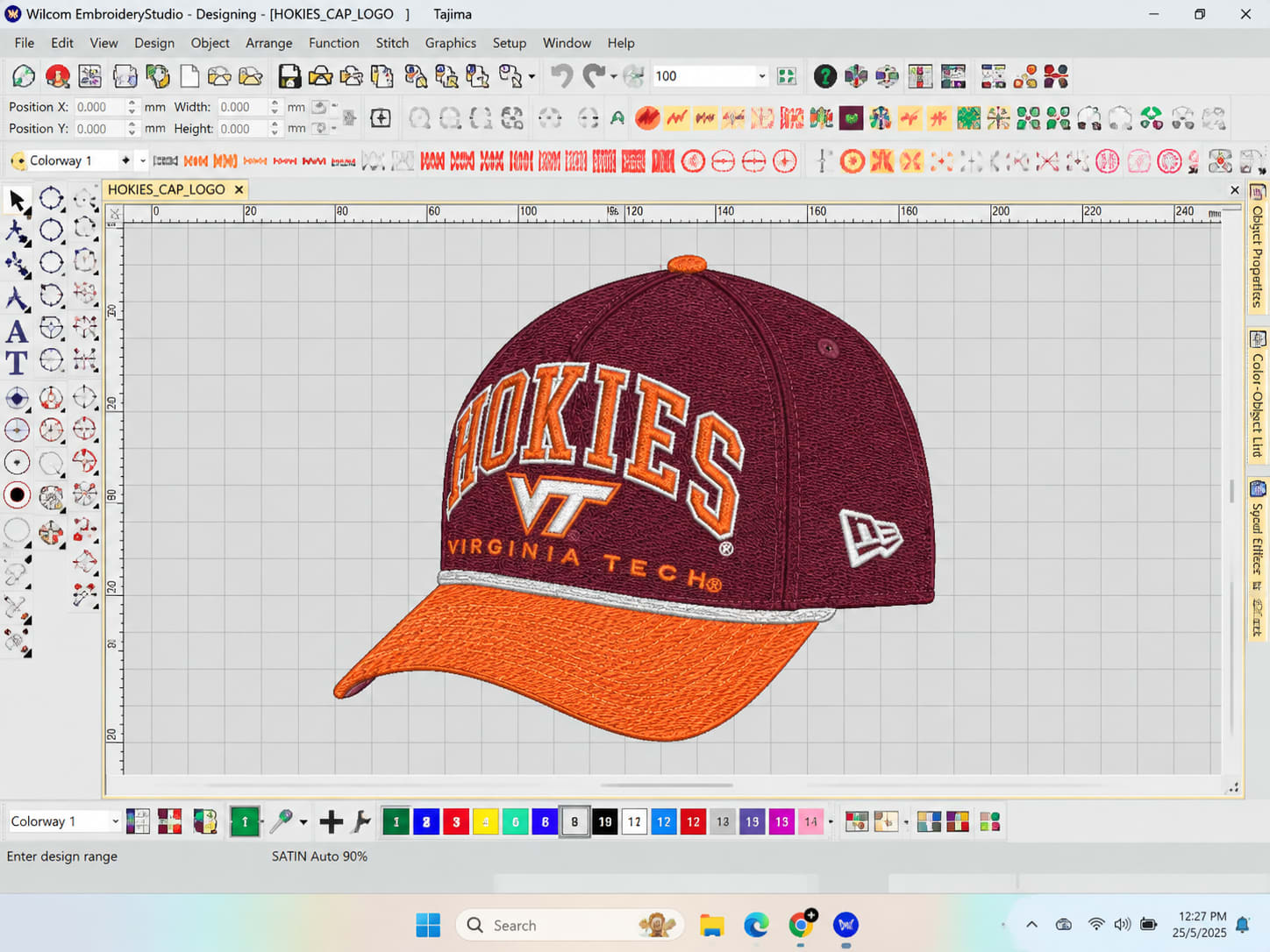
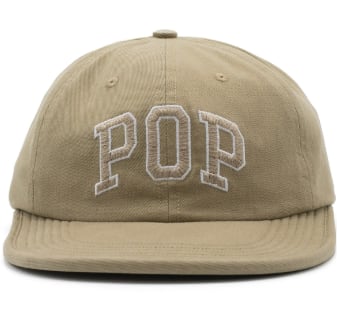
Cap front, two-colour arch — the artwork as suppliedDesign
Cap front, two-colour arch — sewn out on the garmentResult

Cap front, two-colour arch

Re-stacked to fit 2.25in of usable height, then sequenced bottom-up so the arch held register across the centre seam.

Stitches
6,240
Colours
2
Size
4.8in x 2.1in
Fabric
Structured cotton twill
Technique
Cap sequencing

Step through with the arrows or the dots, or focus the panel and use the arrow keys. These are our own files — we never publish a client mark without asking, and never anyone else's work.

Why ZB Punch

The boring reasons shops stay.

Not "quality service". The actual things that decide whether a file costs you time on the floor.

  1. 01

    Human-digitized, not auto-digitized

    No one-click conversion, no batch processing, no offshore relay where nobody can answer a question about their own file. Ask why a column is set the way it is and you get a real answer.

  2. 02

    Built for the fabric, not just the artwork

    A pique polo and a 300gsm fleece are two different jobs. Underlay, density and compensation are set for what you are actually running — tell us the garment and the file changes.

  3. 03

    Machine-ready on arrival

    Trims tidied, jumps clipped, colour stops labelled in plain language, and a printable worksheet with the sequence and stitch count. Your operator should not have to reverse-engineer anything.

  4. 04

    Revisions until it sews correctly

    Send a photo of the sew-out and we fix it. No revision limit, no charge, no argument about whose fault it was. A design is finished when it runs clean on your machine.

  5. 05

    Every format, never charged twice

    All 12 stitch formats and 5 vector formats go out together. Saving the same design out again is not a service worth billing for.

  6. 06

    Your artwork stays yours

    You paid for the file, so it is yours — including the editable source. We do not resell client logos, add them to a stock library, or publish them without asking first.

The craft

Ten decisions that decide whether a file is any good.

None of these are settings you can leave on default. This is what an experienced digitizer is actually being paid to judge — and what a one-click auto-digitizer guesses at.

  1. 01

    Underlay

    The stitches nobody sees

    They anchor the fabric, stop the top layer sinking into a knit, and stabilise the shape before the fill goes on. Wrong underlay is why a design looks fine on a woven and terrible on fleece.

  2. 02

    Stitch density

    How tightly the thread packs

    Too loose and the garment shows through; too tight and you get a stiff plate that puckers and breaks needles. It changes with fabric, with element size, and with thread weight.

  3. 03

    Pull compensation

    Cancelling the distortion before it happens

    Thread pulls fabric inward as it sews, so shapes come out narrower than drawn. We widen elements per direction to cancel it. Skip this and your outlines end up sitting inside your fills.

  4. 04

    Satin stitch

    Columns, lettering and borders

    A satin column carries the sheen that makes embroidery read as embroidery. Width, angle and stitch length all shift with the element — a 2mm letter stroke and a 6mm border are not the same problem.

  5. 05

    Fill stitch

    Large areas without a flat sheet look

    Deliberate angle changes and staggered penetration points stop a big fill reading like plastic. On an eleven-inch back we break fills into sections rather than running one continuous pass.

  6. 06

    Stitch sequencing

    What sews first, and why

    Good sequencing anchors the fabric progressively, keeps registration tight, and cuts thread changes down so your operator is not stopping every ninety seconds.

  7. 07

    Small lettering

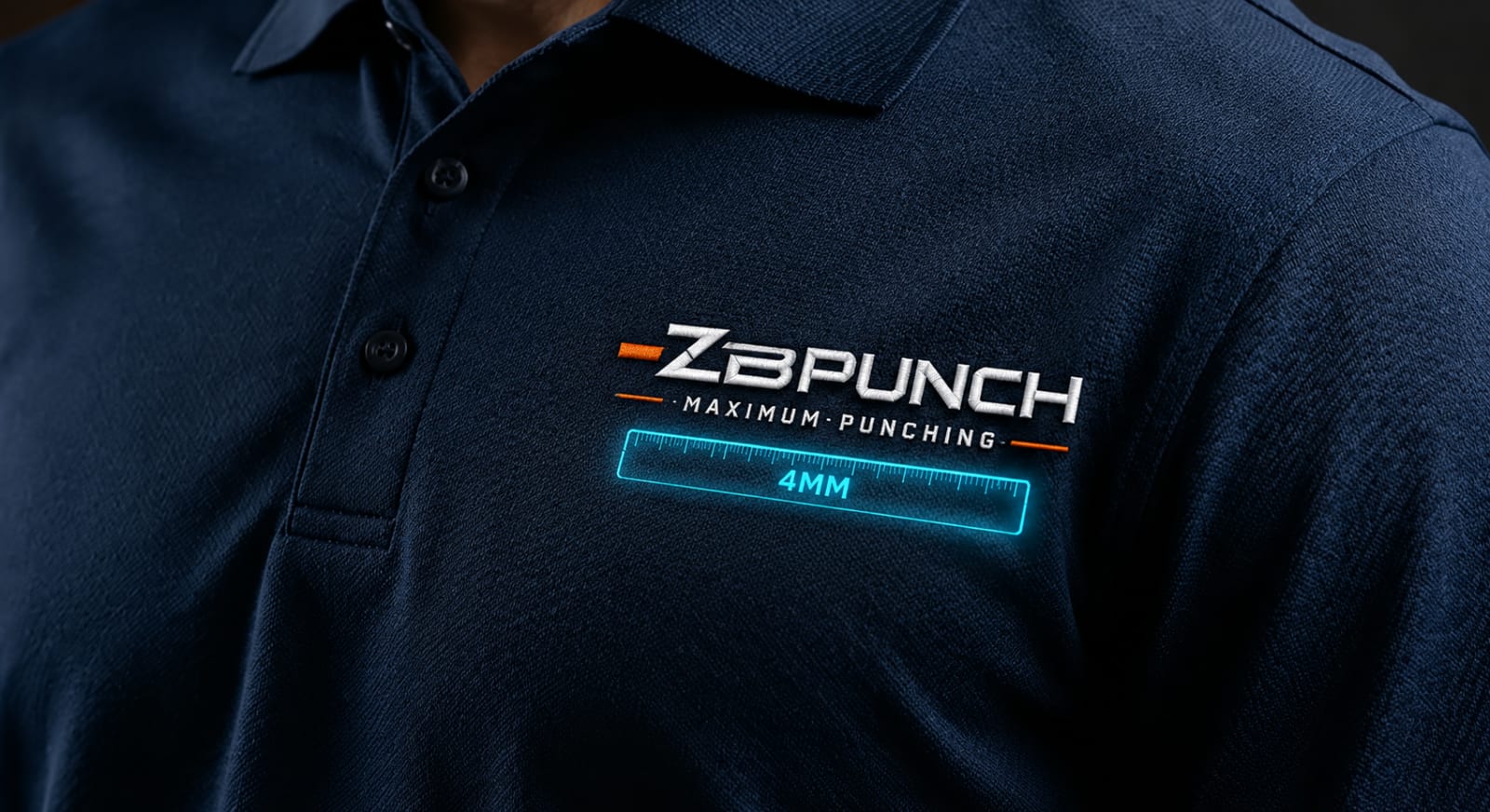
    Legible at 4mm cap height

    At 4mm a satin column is under a millimetre wide. Letters under 5mm get a run stitch or a narrow satin with a single centre-run underlay, and the counters get widened by hand so the holes survive pull-in.

  8. 08

    Cap sequencing

    Bottom-up, centre-out, seam avoided

    On a cap driver the fabric is under tension and moves cleanly in one direction. Load a flat left-chest file on a cap frame and the top of the design walks sideways down the panel.

  9. 09

    3D puff

    Cutting foam cleanly, sealing every end

    The satin has to be dense enough to perforate 2mm or 3mm foam so the excess tears away, with the angle crossing the boundary rather than following it. Every open end gets a cap or the foam shows.

  10. 10

    Applique

    Four operations in one file

    Placement run, tack-down, machine stop for trimming, then the cover stitch. All four with the stops in the right places and the colour blocks labelled in plain language.

A sheet of embroidered ZB Punch patches being cut out by hand

ZB Punch patches straight off the machine — crisp lettering and clean edges, ready to cut.

How an order runs

Four messages, start to finish.

No portal to log into and no ticket number to quote. Most of our regular clients just reply to the same email thread or the same WhatsApp chat, week after week.

  1. Send your artwork

    Any format, any quality. Tell us the finished width, the garment and the file type your machine reads. A phone photo of a business card is a normal starting point.

  2. Receive your quote

    A price and a delivery time in writing, usually inside twenty minutes during working hours. If the logo has a problem that will show in thread, you hear it now.

  3. We digitize it by hand

    One digitizer owns the file start to finish. Underlay, density and compensation set for your fabric, sequence planned to cut trims, and a virtual sew-out check before it leaves.

  4. Receive and sew

    Stitch files, worksheet and preview land in your inbox. Run it — and if it fights you, send a photo and we adjust and resend at no charge.

Who we work with

Mostly other shops — which is why we keep quiet about it.

A good part of the work is white-label: your client never sees our name, and we never post a logo without asking. We do not run production embroidery, so we are not competing with the people who send us work.

Embroidery shops

Overflow and awkward jobs

Contract embroiderers

Volume work, standing briefs

Workwear suppliers

Multi-position uniform sets

Uniform companies

Schools, healthcare, hospitality

Screen printers

When a client asks for embroidery

Promotional distributors

Caps, bags, fleece

Sports teams

Teamwear, numbers, crests

Schools & clubs

Badges and blazer crests

Hotels & spas

Towels, robes, terry

Fashion brands

Small-run branded pieces

Design agencies

Turning brand marks into thread

Patch makers

Merrow, laser and hot-cut edges

Pricing

Per design. Not per stitch.

Charging by stitch count rewards a digitizer for padding the file, which is the last thing you want. A left chest costs the same whether it lands at 4,000 stitches or 7,000 — and we will always aim for the lower number.

Left chest

$7

Polos, shirts, fleece, softshells. Up to about 3.5 x 2 inches.

  • Every stitch format you need, not just one
  • Printed worksheet with the colour sequence
  • Small text set by hand, not auto-scaled
  • Revisions until it sews clean
How we punch it

Cap logo

$8

Digitized for a cap driver: bottom-up, centre-out, seam avoided.

  • Sequenced for cap frames, not flat hoops
  • Seam-aware column placement
  • Flat version of the same logo on request
  • Revisions until it sews clean
How we punch it

Jacket back

$15

Nine to twelve inches. Price depends on colours and detail, quoted before we start.

  • Per-element pull compensation
  • Split files with registration marks
  • Trim and colour-change sequencing
  • Revisions until it sews clean
How we punch it

Sequence logos start at $10 for two colours and $15 for four. Complex designs get a written custom quote before any work starts. Full price list

All prices are listed in US dollars.

Delivery

You get the formats, plural.

Some digitizers hand over one DST and charge again when you ask for PES next month. We send the set. Tell us the machine and we will pick the right one for you.

Stitch formats

EMBWilcom source
DSTTajima
PESBrother, Babylock
JEFJanome
EXPMelco, Bernina
VP3Husqvarna Viking, Pfaff
HUSHusqvarna Viking
XXXSinger
CNDMelco condensed
PDFAny
JPGAny
PNGAny

Vector formats

AIAdobe Illustrator
EPSAnything print
SVGWeb, cutters
PDFUniversal
CDRCorelDRAW

Questions

The ones we get every week.

There are more on the FAQ page. If yours is not there, ask — we answer questions about the craft even when they do not turn into an order.

How long does a digitizing job actually take?

A left chest or a cap logo is normally back in four to eight hours. Jacket backs, appliqué and patch work take twelve to twenty-four. If you send something at 2am our time it will be waiting when you start work.

If you genuinely need it inside two hours, say so in the message. We will tell you straight away whether we can do it rather than accept it and go quiet.

What do you need from me to start?

The artwork in whatever form you have it, the finished width in inches or millimetres, the garment or fabric, and the file format your machine reads. That is enough for most jobs.

If you only have a phone photo of a business card, send that. Rebuilding rough source material is a normal part of the work, not an obstacle.

Do you charge per stitch or per design?

Per design. A left chest is a left chest whether it comes out at 4,000 stitches or 7,000. Stitch-count pricing pushes a digitizer to inflate the file, which is the opposite of what you want.

The only thing that moves the price is the size and complexity of the design, and you get that number in writing before we start.

What if the file does not sew properly?

Send us the sew-out photo and we fix it. No revision limit, no charge, no argument about whose fault it was. A design is finished when it runs clean on your machine, not when we email it.

A photo of the actual sew-out is worth ten messages of description. Even a slightly blurry one taken on the machine tells us whether it is density, pull compensation or hooping.

Who owns the file?

You do. You paid for it, it is yours, including the editable source if you want it. We do not resell client logos, we do not add them to a stock library, and we do not put them in a public portfolio without asking first.

Can you match a design that another digitizer already did?

Usually yes. Send the old stitch file and the sew-out and we can either repair it or rebuild it to match, whichever costs you less. Repairing someone else is honest work and there is no shame in it.

Next step

Have a logo? Let's turn it into stitches.

Send your artwork, tell us the finished size, the fabric and the format your machine reads. You will get a price and a delivery time back — usually inside twenty minutes during working hours.

Or email info@zbpunch.com